-
About
- Kyoto Prize
-
Research Grants
-
Social Contributions
- Events
- News
About
Research Grants
Social Contributions

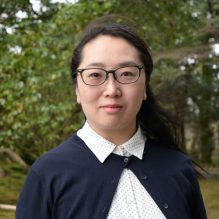
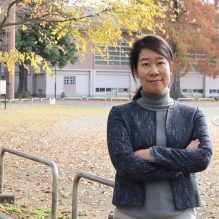
Assistant Professor, Faculty of Informatics, Shizuoka University *Profile is at the time of the award.
2024Inamori Research GrantsHumanities & Sociology
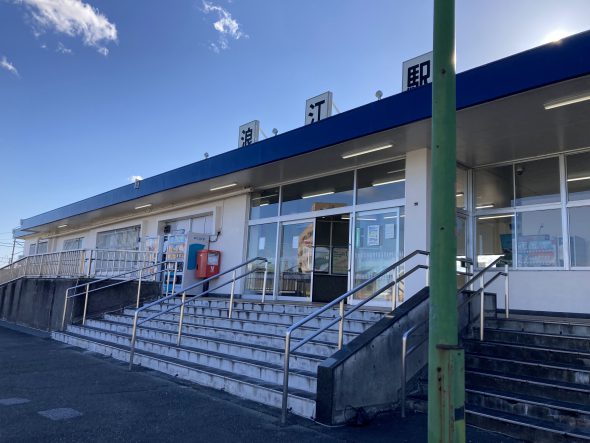
Even after the Great East Japan Earthquake, disasters continue to occur frequently in Japan. In recent years, the number of cases of "cross-border evacuation" across prefectures and cities has increased, and the issue of how to connect evacuees with their original local communities and the outflow of reconstruction leaders in the evacuated areas has become a challenge. The concept of "reconstruction through visitation" in my study will be a common viewpoint when considering not only the Fukushima nuclear accident, but also the reconstruction of other such disasters. We would like to make every effort to ensure that this research contributes to the recovery of the victims and the affected areas.
This study examines evacuation following the Fukushima Daiichi nuclear accident, focusing on the practice of commuting, in which evacuees travel back and forth between their evacuation sites and their places of origin. Using qualitative social research methods, it explores why evacuees continue to return to their former communities and analyzes the meanings and tensions embedded in this practice.
In the case of Ōbori Sōma ware, a traditional industry in Namie Town, Fukushima Prefecture, production was resumed at evacuation sites by displaced kiln owners. However, even after the lifting of evacuation orders, concerns over radioactive contamination have persisted, and permanent return has not progressed. Under these circumstances, commuting by kiln owners has contributed to the revitalization of the local industry. This study shows that commuting is not merely a procedural step toward return, but rather a practice through which people reconnect fragmented lives and reestablish relationships with their hometowns in the aftermath of the nuclear disaster.
Miki Mochizuki (2024) Considering the Relationship between People and Land The Journal of Studies in Contemporary Sociological Theory 18, p.4-16 https://doi.org/10.34327/sstj.18.0_4
Humanities & Sociology































-219x219.png)