-
About
- Kyoto Prize
-
Research Grants
-
Social Contributions
- Events
- News
About
Research Grants
Social Contributions
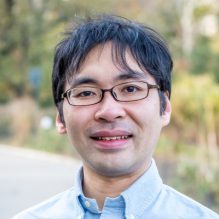
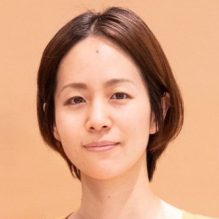
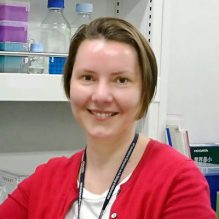
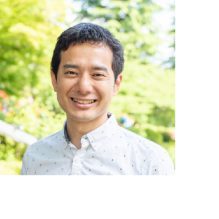
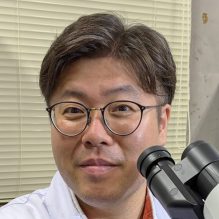
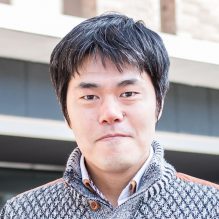
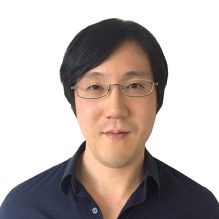
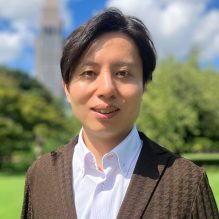
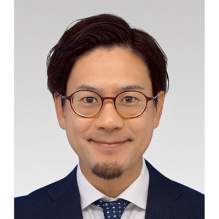
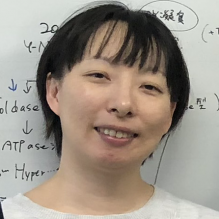
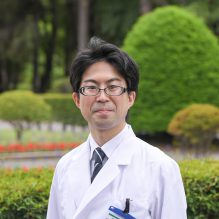
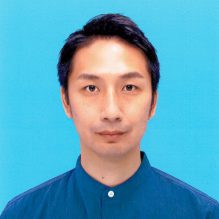
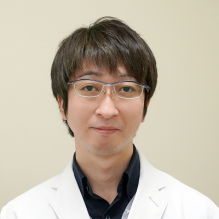
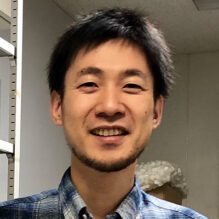
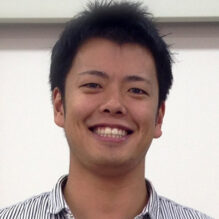
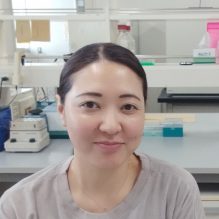
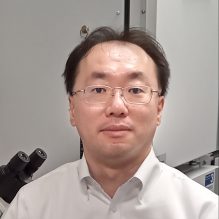
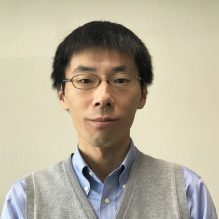
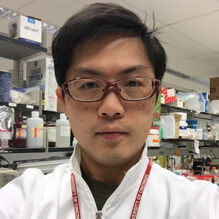
Assistant Professor, Division for Health Service Promotion, The University of Tokyo *Profile is at the time of the award.
2024Inamori Research GrantsBiology & Life sciences
I am very honored to receive the Inamori Foundation Research Grant. As a medical scientist, using adipocytes as a model system, I would pursue both mechanistic insights and clinical significance.
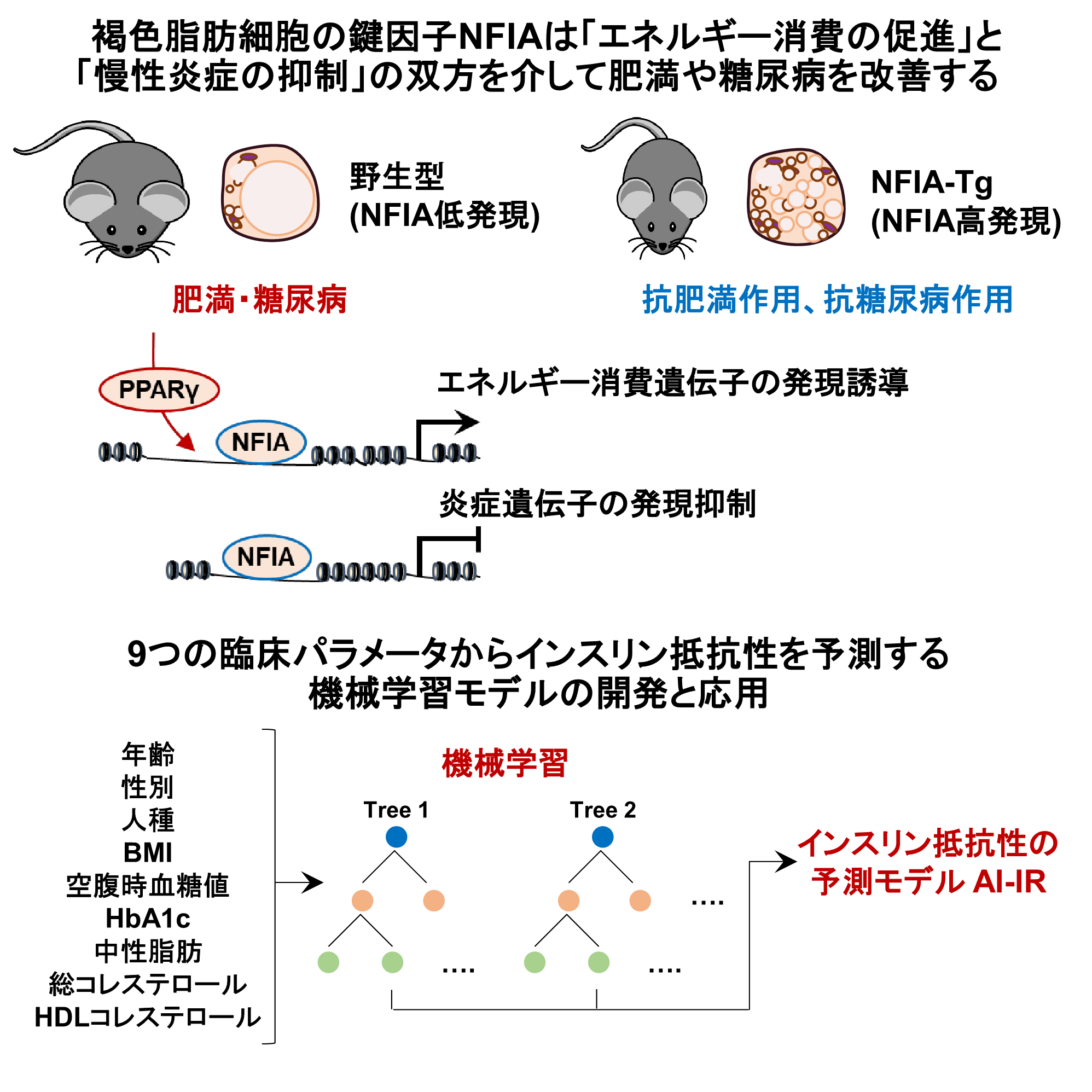
We identified the transcription factor NFIA as a regulator of brown adipocyte differentiation and function, and demonstrated that NFIA improves obesity and diabetes by both promoting energy expenditure and suppressing chronic inflammation. In addition, using large-scale biobank data, we investigated gene–environment interactions between genetic risk for type 2 diabetes and physical activity in relation to cardiovascular disease incidence. Furthermore, we developed a machine learning model to predict insulin resistance using nine simple clinical parameters, and showed that insulin resistance is a risk factor not only for diabetes and cardiovascular disease but also for cancer.
Lee CL., et al. (2026) Machine learning-predicted insulin resistance is a risk factor for 12 types of cancer Nature Communications 17(1):1396 https://doi.org/10.1038/s41467-026-68355-x
Hiraike Y. (2025) Transcriptional control of brown adipocyte differentiation and function by NFIA: recent perspectives on deciphering metabolic diseases The Journal of Biochemistry 178(3):147-159 https://doi.org/10.1093/jb/mvaf038
Lee CL., et al. Interaction between type 2 diabetes polygenic risk and physical activity on cardiovascular outcomes European Journal of Preventive Cardiology 31(10):1277-1285 https://doi.org/10.1093/eurjpc/zwae075
Biology & Life sciences