-
About
- Kyoto Prize
-
Research Grants
-
Social Contributions
- Events
- News
About
Research Grants
Social Contributions
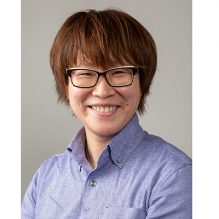
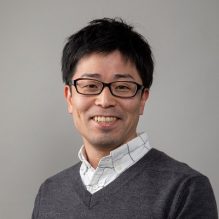
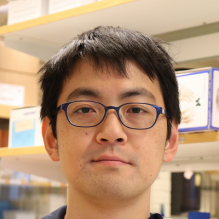
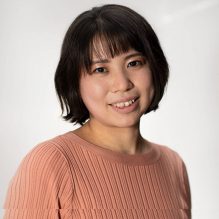
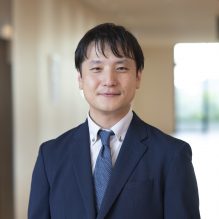
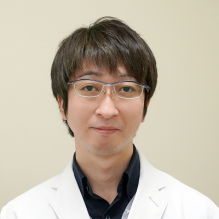
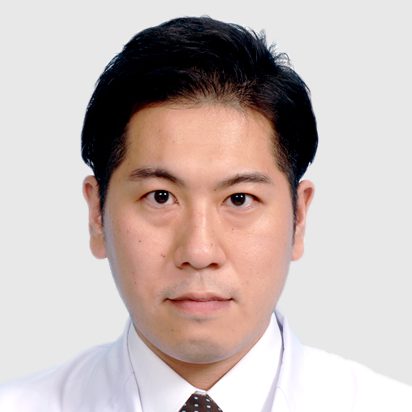
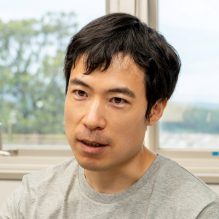
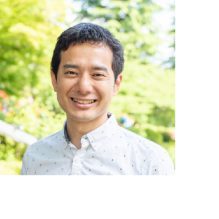
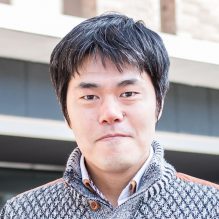
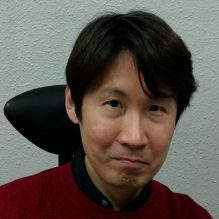
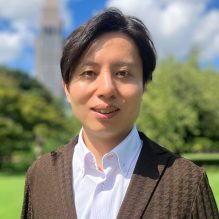
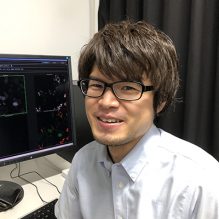
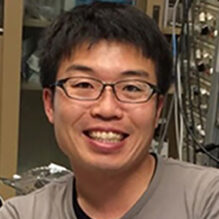
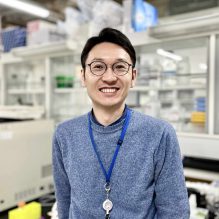
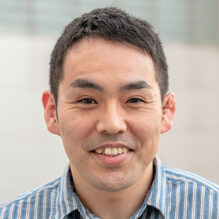
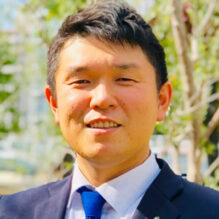
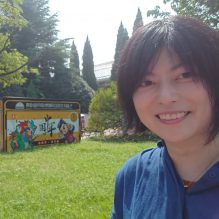
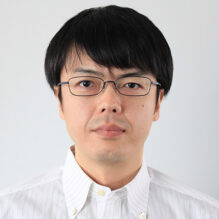
Lecturer, Faculty of Science, Hokkaido University *Profile is at the time of the award.
2024Inamori Research GrantsBiology & Life sciences
We spend a third of our lives asleep, yet we still do not know the answer to "Why do we sleep?" As a sleep researcher, my goal is to unravel the mysteries of sleep.
In this study, we used chemogenetic approaches to manipulate astrocyte activity in the mouse brain and examined its effects on sleep/wakefulness regulation. Activation of hippocampal astrocytes increased non-REM sleep and slow-wave activity, whereas activation of pontine astrocytes reduced REM sleep. These findings demonstrate that astrocytes actively and region-specifically regulate sleep/wakefulness states. Our results broaden the current understanding of sleep regulation by highlighting the contribution of astrocytes in addition to neuronal mechanisms.
Kurogi Y, et al. (2024) Chemogenetic activation of astrocytes modulates sleep/wakefulness states in a brain region-dependent manner Sleep Advance 5(1). zpae091 DOI: 10.1093/sleepadvances/zpae091
Biology & Life sciences