-
About
- Kyoto Prize
-
Research Grants
-
Social Contributions
- Events
- News
About
Research Grants
Social Contributions
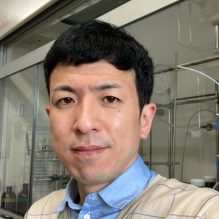
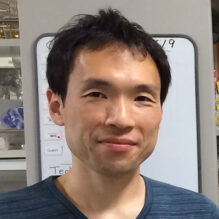
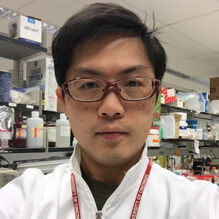
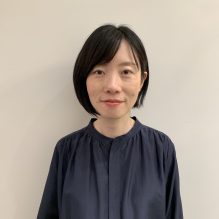
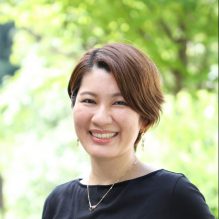
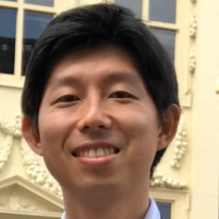
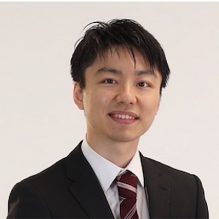
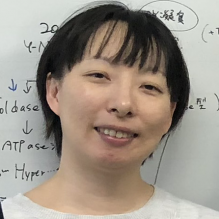
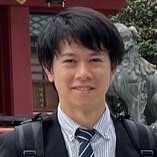
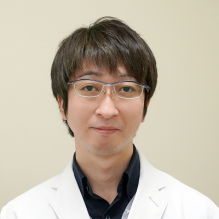
Specially Appointed Assistant Professor (Full time) , Graduate School of Medicine, Osaka University *Profile is at the time of the award.
2024Inamori Research GrantsBiology & Life sciences
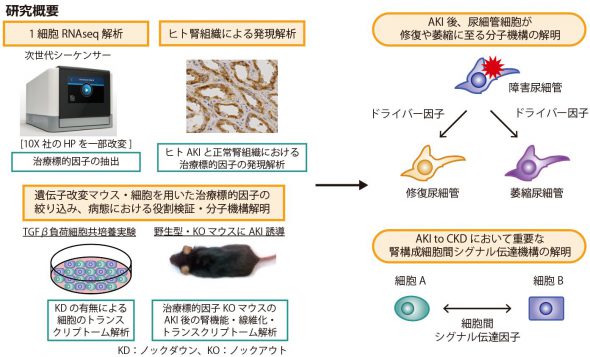
Traditionally, AKI was thought to be a disease that resolves spontaneously, but in recent years, AKI has been found to be a poor prognosis pathogenesis leading to CKD. Since AKI occurs frequently and there is no treatment for CKD, it is very important to elucidate the pathogenesis of AKI to CKD and to develop a potential treatment. Over the years, I have studied the pathogenesis of AKI to CKD and have shown that proximal tubular cells that have failed to repair become atrophic and induce inflammation and fibrosis via secretion of humoral factors. In this study, we hope to further develop this knowledge by integrative analysis including single cell RNAseq analysis to elucidate the pathogenesis of AKI to CKD and to apply it to treatment.
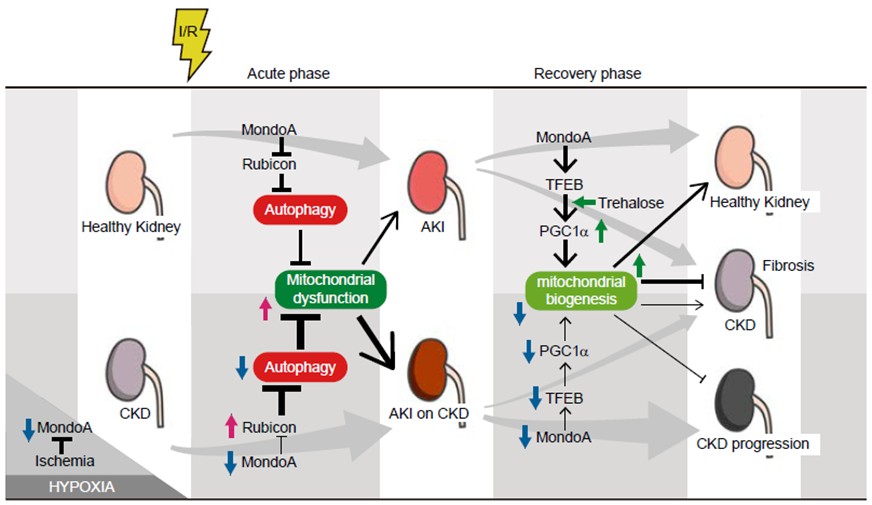
In this study, we investigated the role of the MondoA–Rubicon–TFEB pathway in the AKI-to-CKD transition and demonstrated that MondoA maintains autophagy homeostasis through suppression of Rubicon during the acute phase, while promoting mitochondrial function and cytoprotection via the TFEB–PGC1α axis during the chronic phase. Furthermore, we showed that reduced nuclear localization of MondoA in human CKD kidneys was associated with both renal dysfunction and aging, highlighting the MondoA pathway as a potential therapeutic target linking autophagy regulation and cellular senescence.
Biology & Life sciences