-
About
- Kyoto Prize
-
Research Grants
-
Social Contributions
- Events
- News
About
Research Grants
Social Contributions

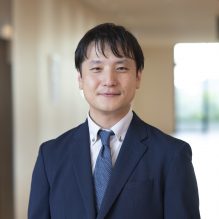
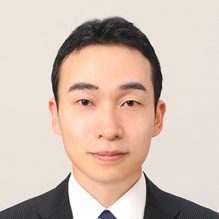
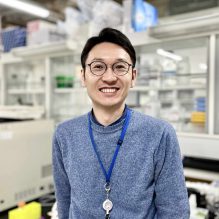
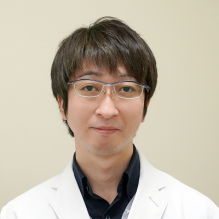
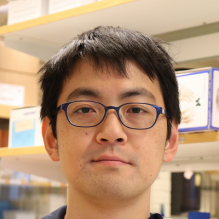
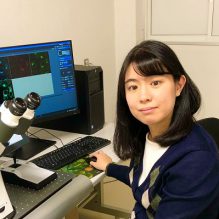
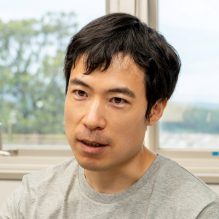
Lecturer, Graduate School of Medicine, Osaka Metropolitan University *Profile is at the time of the award.
2025Inamori Research GrantsBiology & Life sciences
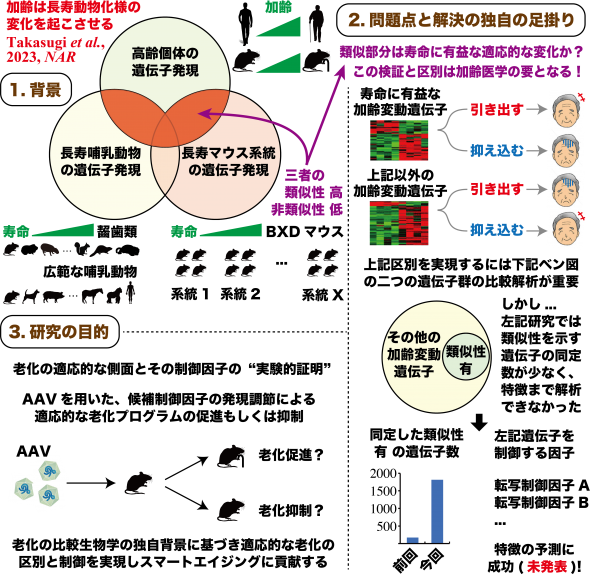
This study aims to extract the adaptive aspects of aging through an cross-species comparative analysis, which is an unconventional approach. Receiving this grant, I am now more confident and determined to develop this research while valuing its originality. Through this research, I hope to clarify the adaptive aspects of aging and its control methods, ultimately changing the way people perceive aging.
Aging acts as a primary risk factor for a wide range of chronic diseases; however, the biological significance of age-associated molecular changes remains highly heterogeneous and poorly understood. While some changes drive functional decline, comparative biology has highlighted that a subset of age-related gene expression shifts resembles transcriptional characteristics observed in long-lived species or strains. This observation raises the critical possibility that specific components of molecular aging may reflect “adaptive,” homeostasis-supporting remodeling rather than simple deterioration. In this project, we integrated large-scale transcriptomic datasets from mice and diverse mammalian species to construct a robust atlas of gene sets showing concordant versus discordant relationships between aging-associated changes and longevity-associated profiles. By prioritizing upstream transcriptional regulatory candidates linked to these “concordant” gene programs in metabolic tissues, we identified key drivers of adaptive aging. Furthermore, we established in vivo methods to modulate these selected candidates in a tissue-directed manner in adult mice. Multi-organ molecular profiling following this intervention indicated not only robust local remodeling in the targeted tissue but also suggested broader, systemic-level molecular consequences in remote organs. Together, these results support the feasibility of a comparative biology–driven framework to distinguish potentially adaptive versus maladaptive components of molecular aging, offering a novel strategy to minimize reliance on disease-specific assumptions in aging research.
Biology & Life sciences