-
About
- Kyoto Prize
-
Research Grants
-
Social Contributions
- Events
- News
About
Research Grants
Social Contributions
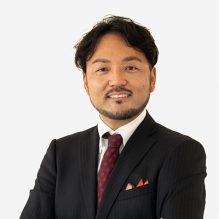
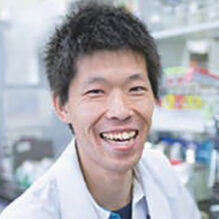
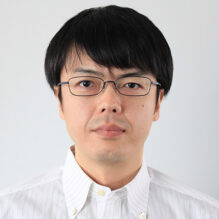
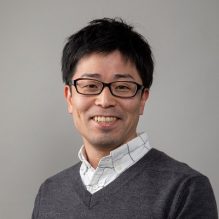
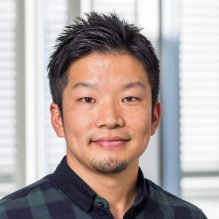
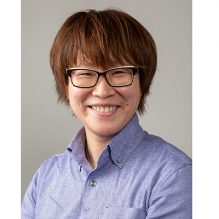
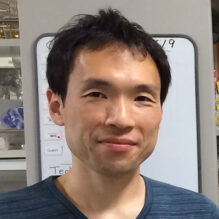
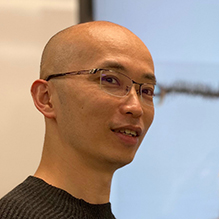
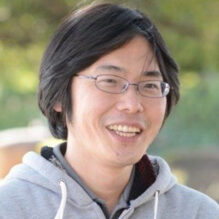
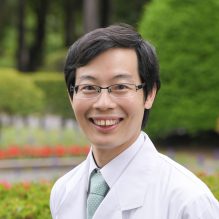
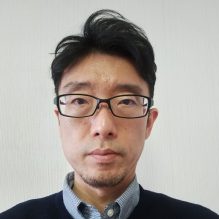
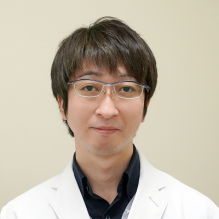
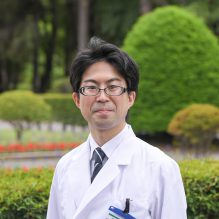
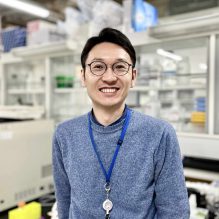
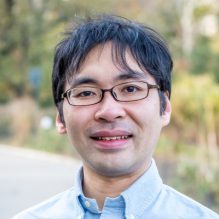
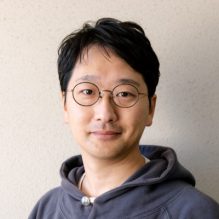
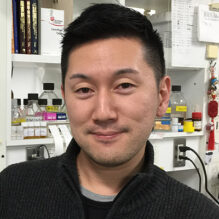
Associate Professor, Graduate School of Medicine and Pharmaceutical Sciences, University of Toyama *Profile is at the time of the award.
2024Inamori Research GrantsBiology & Life sciences
I appreciate the grant support for our research.
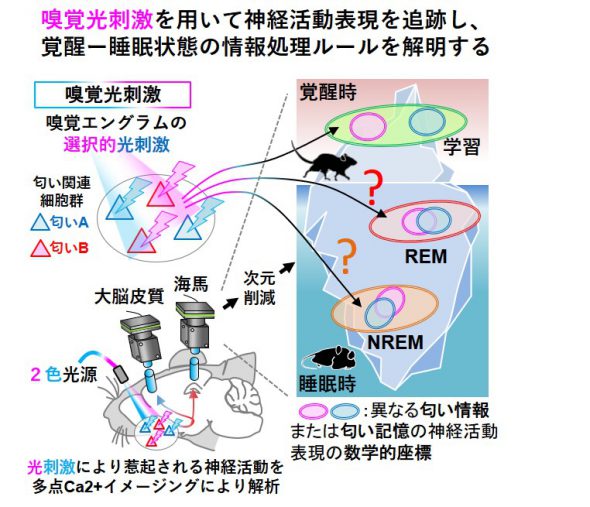
The aim is to seamlessly record and analyze the input-output responses during wakefulness and sleep, clarifying the relationship between the brain's information processing modes and cognitive functions across wakeful and sleeping states.
The ultimate goal is to find a systematic correlation—a sleep-wake Rosetta Stone—thereby decoding information processing during sleep.
To elucidate sensory information processing during sleep, we established a long-term spike-recording system using Neuropixels 2.0. We found that cortical neural responses to identical stimulation change across wakefulness, NREM, and REM sleep, termed “sleep shift,” and gradually change over time, termed “representational drift.” Machine learning successfully predicted untrained neural responses during sleep, and atropine administration suppressed the sleep shift, suggesting a cholinergic regulatory mechanism.
Haiyan Wang, et al. (2026) An alternative inhibitory avoidance task for studying hippocampus-dependent spatial aversive memory in mice Molecular Brain https://doi.org/10.1186/s13041-026-01308-z
Shuntaro Ohno, et al. (2025) The medial prefrontal cortex encodes procedural rules as sequential neuronal activity dynamics Molecular brain 18(1) 56-56 https://doi.org/10.1186/s13041-025-01230-w
Khaled Ghandour, et al. (2025) Parallel processing of past and future memories through reactivation and synaptic plasticity mechanisms during sleep Nature Communications 16, 3618 https://doi.org/10.1038/s41467-025-58860-w
Biology & Life sciences